
Things to do in the Flower Strip
Visit the world’s largest flower gardens
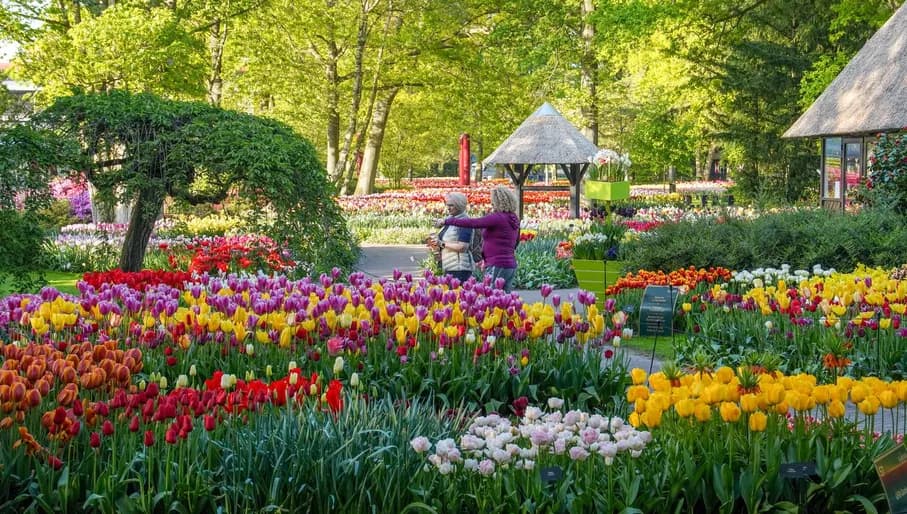
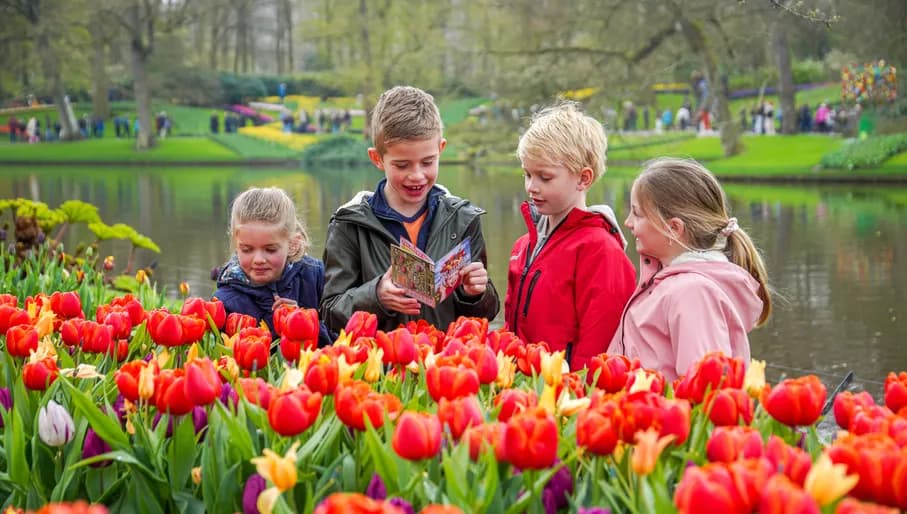
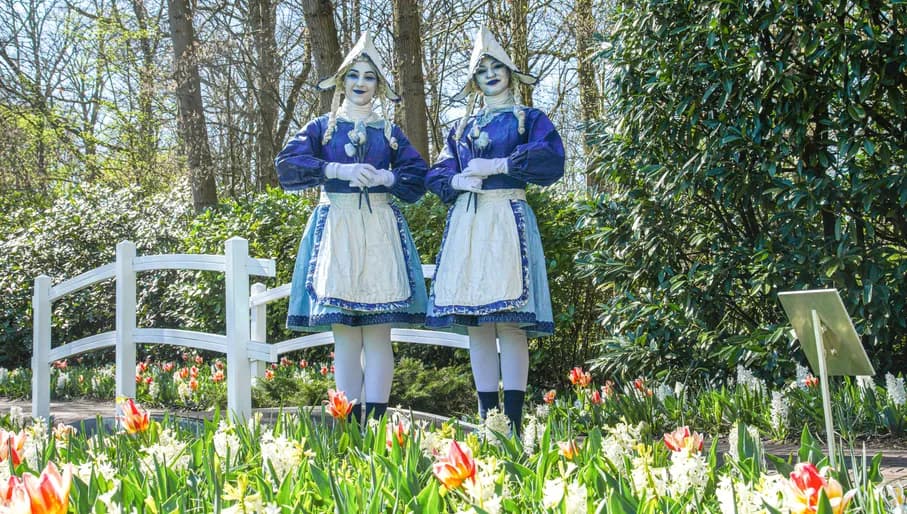
Nowhere is the Dutch cult of the tulip celebrated more gloriously than at the ‘the most beautiful spring garden in the world’, located in the bulb region south of Amsterdam. Open for just eight weeks each year (per the tulip’s national flowering season), Keukenhof boasts a staggering seven million blooms planted across a 32-hectare park. Over 500 growers present their most beautiful blooms, and leading florists create truly unique displays. Special activities for kids, exhibitions, events and performances will ensure the whole family finds something special to do.
Here are our reasons to visit Keukenhof this Spring.
- Combi tickets for Keukenhof and various attractions in the Netherlands (including Madurodam, Den Haag) can be purchased online or from the I amsterdam store at Amsterdam Centraal Station. There are also tickets, which include transport from various locations in Amsterdam and further afield.
Explore the Bollenstreek

One of the country's most popular and unique attractions, the Bollenstreek (bulb region) stretches 30 kilometres between Haarlem and Leiden. Home to the world-famous tulip fields, the area comes alive with colour every year when millions of crocuses, daffodils, hyacinths, asters and tulips burst into life. While the best time to visit is from mid-March to mid-May, the tulip season is in full swing during mid-April.
- Alternatively, Wandelnetwerk Bollenstreek (website in Dutch) is a network of marked hiking routes which run throughout the Flower Strip. Follow the signposts, and you’ll soon savour the jaw-dropping views from atop wooden stiles and navigating waterways on pulley-operated ferries.
- Another unique way to explore the region is hiring a 100% electric two-seater vehicle. Renzy’s excursions take you around the colourful flower fields, featuring a GPS and an audio guide.
Make sure to stick to the paths and follow the farm rules. Walking across the fields can crush or damage the flowers. It takes a tremendous amount of work to cultivate the neat lines of flowers. Please respect the farmers who have invested much time, effort, expense and love into the fields.
Cycle through the region
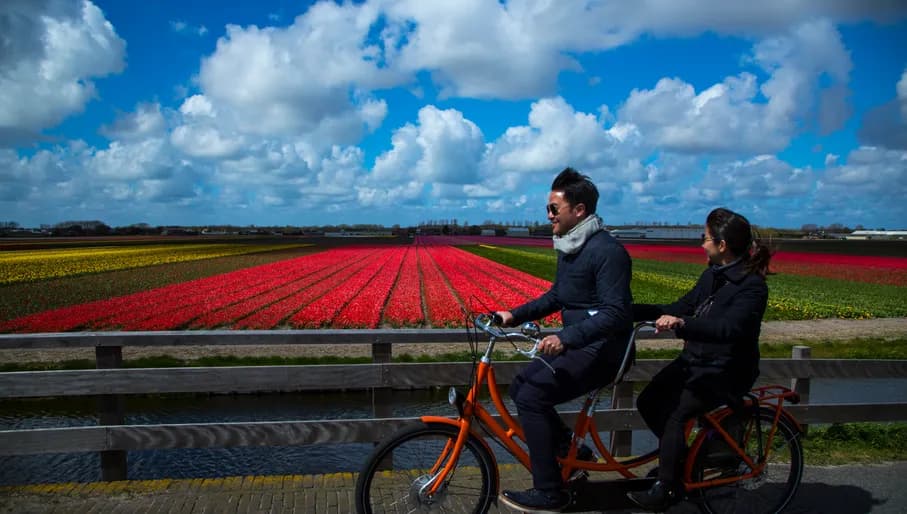
Renting a bike is the perfect way to explore the flower strip at your own pace. You can rent bikes from Rent-a-Bike van Dam at the main entrance of Keukenhof for €16 a day (€11 for 3 hours), including a cycle route map. You have four marked routes to choose from - ranging from 5km to 25km - all of which are well-signposted, relatively flat and very safe. For the real green-fingered fanatics, there is a longer ‘Bulb Route’, a bum-numbing 35km. Check out these cycleseeing routes for more ideas in the Amsterdam Area.
Experience the hustle and bustle of a live auction
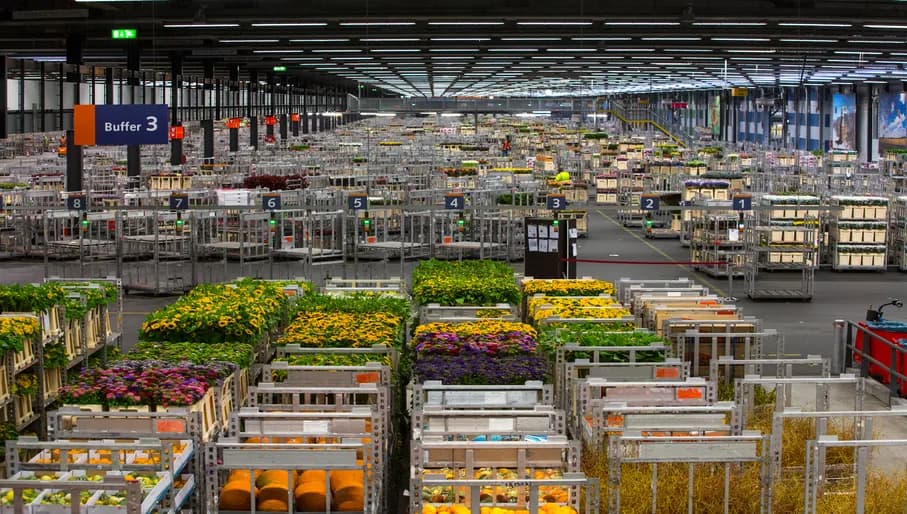
At the Royal FloraHolland flower auction, visitors can get a behind-the-scenes look at the world’s largest flower sale. Experience the hustle and bustle of the trading floor, watch dealers bidding against the clock and be amazed as hundreds of thousands of beautiful flowers are sold to traders from all over the world. Located just a stone’s throw from Schiphol Airport, get there early to explore the auction at its busiest. You can also take a guided tour with an expert - available in Dutch, English or German - or use the information panels to embark on a self-guided tour.
Spend a day by the lake
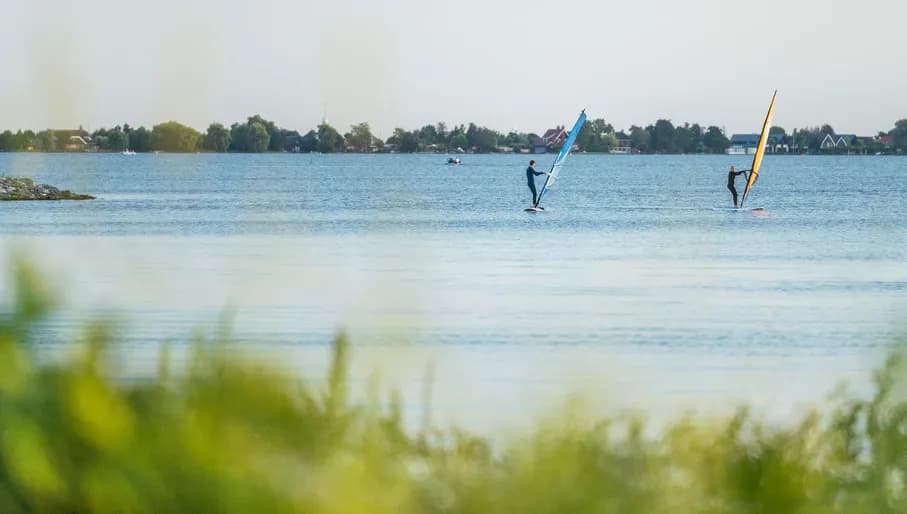
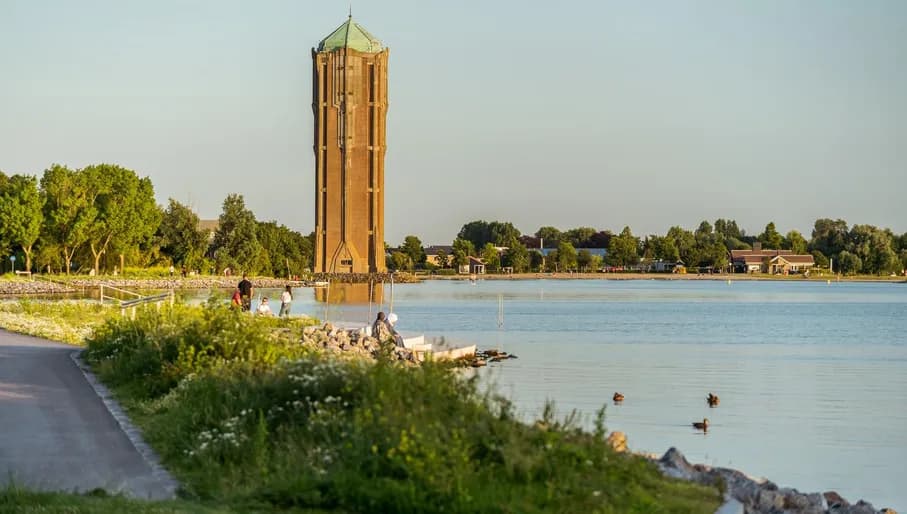
In Aalsmeer, the Westeinderplassen (Westeinder Lakes) offers plenty of water sports, from swimming to sailing lessons and boat rentals. The area is famous for its horticultural industry, and the small islands still grow strawberries and lilacs – just as they did long ago. The 50-metre-high Art Deco Watertoren (water tower) is one of Aalsmeer’s showpieces. Swing by for a fascinating exhibition about local water management before climbing to the top for breathtaking views of the surrounding region. Across the road, The Flower Art Museum is the world’s first museum entirely dedicated to floral-inspired contemporary art. At the foot of the Aalsmeer tower, you’ll find the On the Rock restaurant, which offers a stunning view of the lake and is a perfect spot for a surf break.
Get a different view from the water
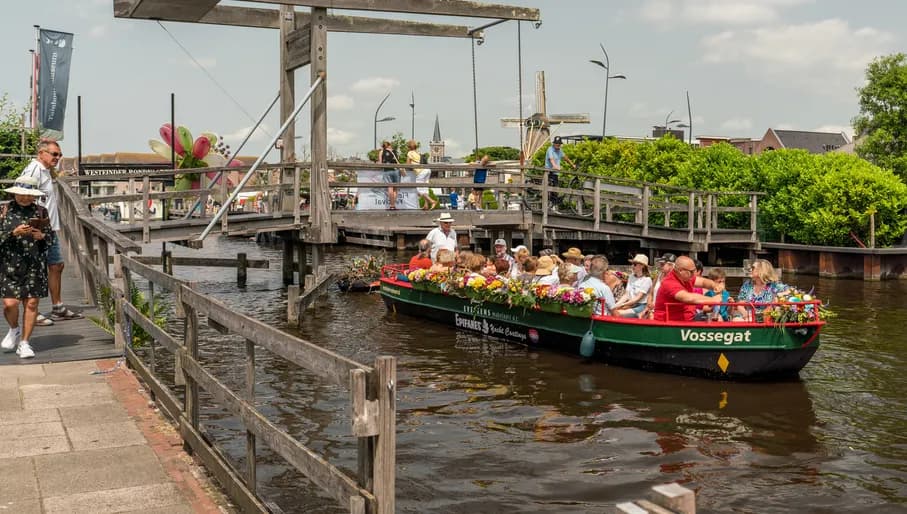
Sit back and relax as you enjoy the peace and quiet of the endless bulb fields around Keukenhof in an electrically propelled boat or a unique whisper boat, which travels through the beautiful flower bulb landscape in virtual silence during a 45-minute trip. Purchase your ticket on the day of travel at the windmill in the park. Alternatively, head to the Westeinderplassen, where you can take an open or covered boat tour through a maze of islands and let knowledgeable skippers fill you in on the region’s horticultural history.
Pick your own tulips and fruit
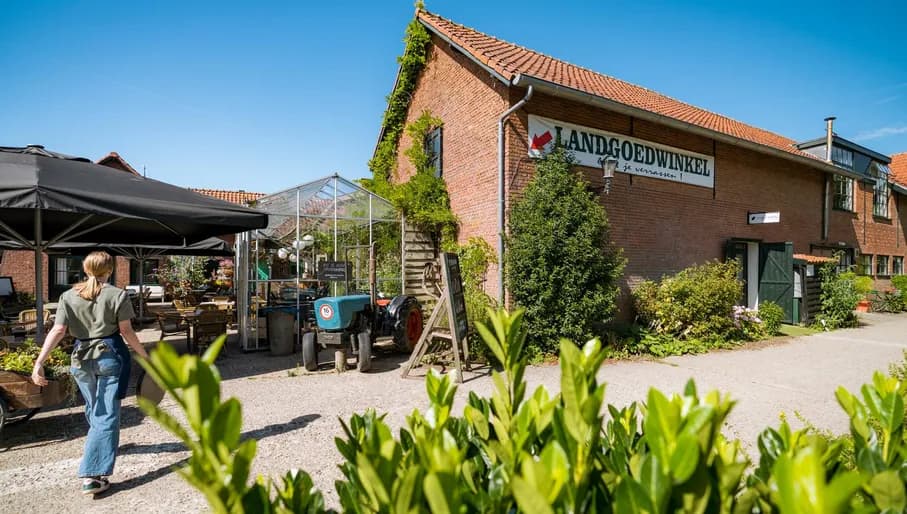
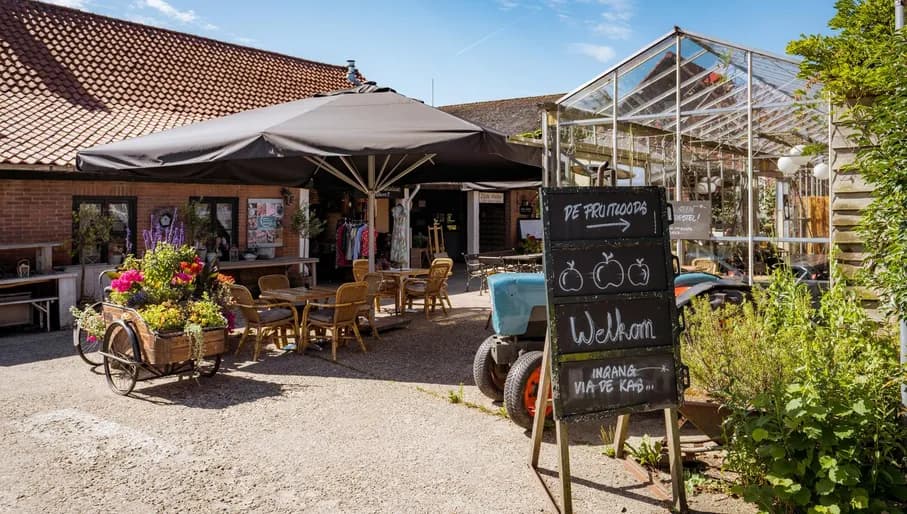
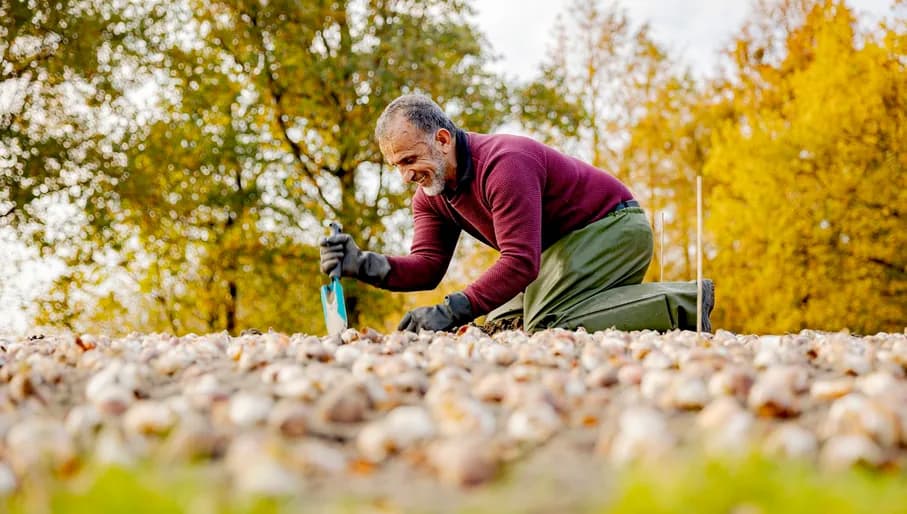
For centuries, Amsterdam’s flower strip has been the top producer of unique flowers, particularly tulips. Annemieke’s Pluktuin (picking garden), an organic tulip nursery in Hillegom, offers visitors the chance to wander through the tulip fields and pick your own vibrant bunch to take home. Thanks to the fertile sandy soil in the region, you’ll also find beautiful organic fruit farms such as Landgoed de Olmenhorst (Olmenhorst Estate). This green oasis of apple and pear orchards in the village of Lisserbroek is over 160 years old. Enjoy a stroll through the grounds or high tea on the terrace all year round. Or in Autumn, when the fruit is ripe, join one of the pick-your-own events.
Meet the world's largest steam engine
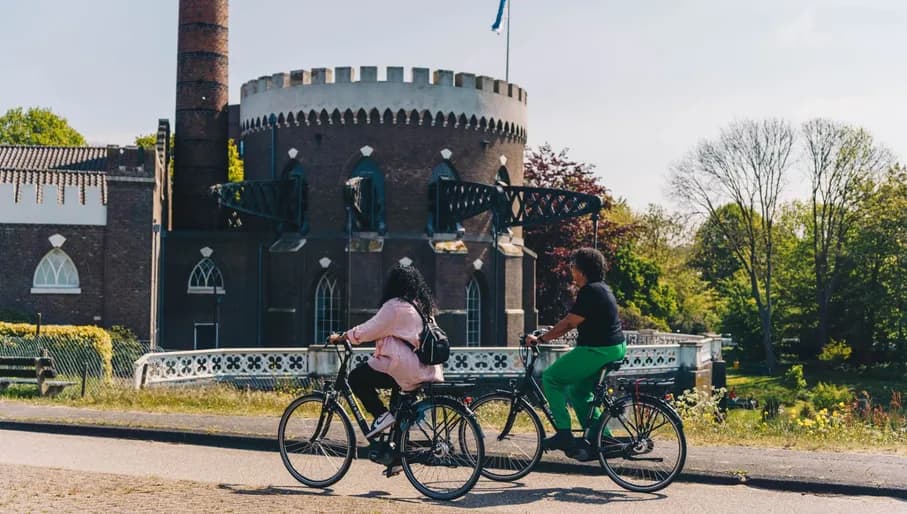
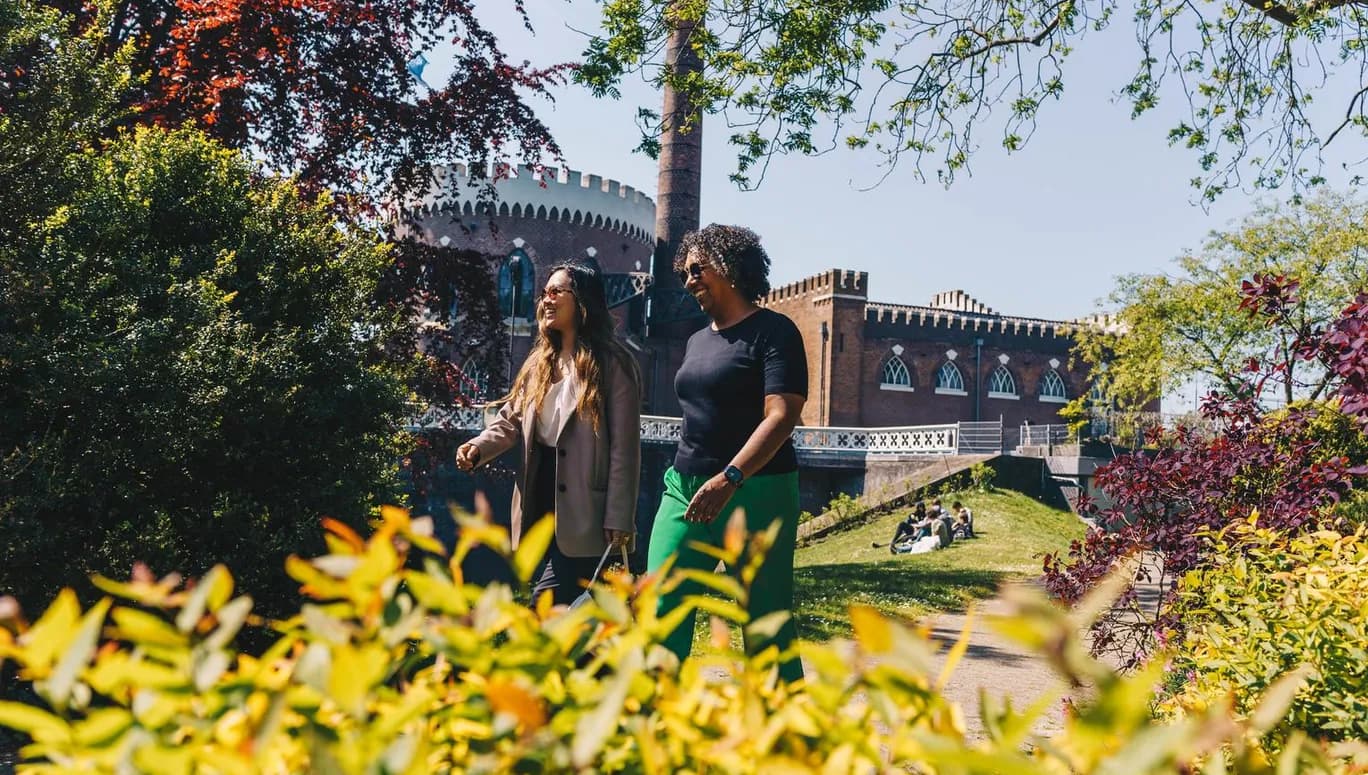
Four metres below sea level, the municipality of Haarlemmermeer harbours a historic pumping station with the world’s largest steam engine. In the middle of the 19th century, the Cruquius steam engine was used to drain a lake to create new land. The only pumping station saved from demolition, Cruquius is now part of a fascinating museum. Learn about the Dutch struggle against water, marvel at a model of how the Netherlands would look without dykes, and experience a live steam engine demonstration.
Step back in time at the Black Tulip Museum
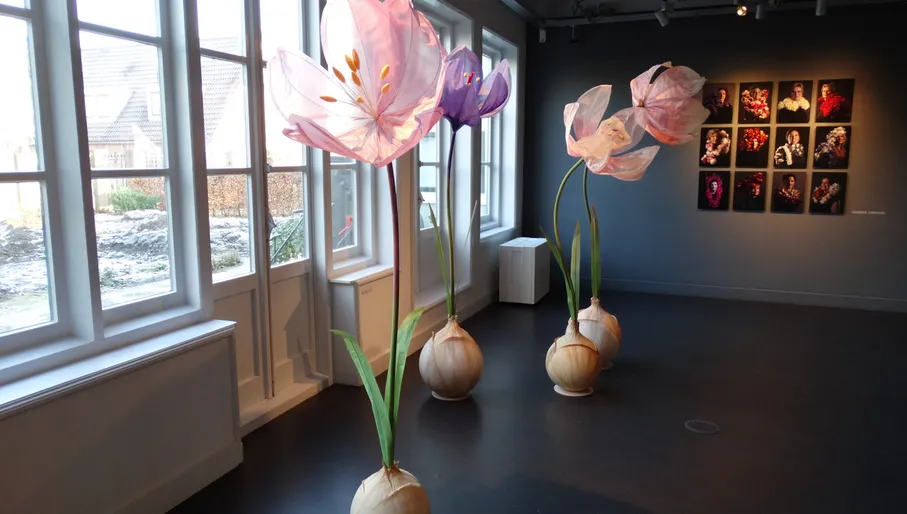
Located on the Dorpsplein ‘t Vierkant square in the centre of Lisse, Museum De Zwarte Tulp (The Black Tulip Museum) tells the history of the Netherlands’ bulb region as well as the origins and the development of bulb culture through an interactive exhibition for the whole family. There’s also a significant collection of botanical prints alongside paintings, glass, silver and porcelain, and changing exhibitions of contemporary art
Be king of the castle
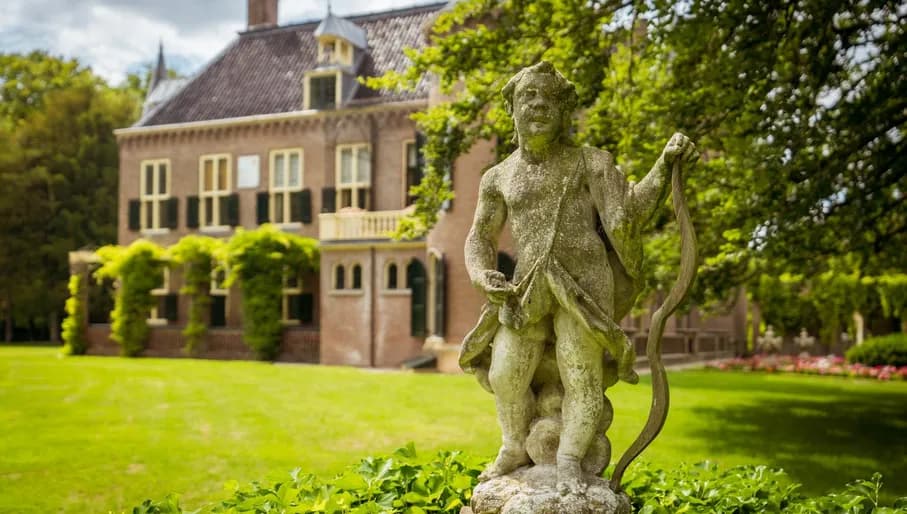
Its showy neighbour may perpetually outshine it, but Keukenhof Castle (located directly across from the world-famous gardens) boasts an impressive history with 17th-century roots. Inside, you’ll find portraits, artefacts and period furniture. The estate now measures 240 hectares and is home to 15 listed buildings, an art museum, a café, a petting farm and walking paths.